Why Your Lawn Has Brown Patches
It is the ultimate frustration for any homeowner in Perth or the Northern Suburbs: you step outside, hose in hand, dedicated to your daily watering ritual, only to find unsightly brown patches creeping across your turf. You’re putting in the work, but the grass is dying anyway.
The hard truth is that watering every day can actually be the cause of your lawn’s demise. In this comprehensive guide, we will dive deep into the five primary "hidden" reasons your lawn is browning, how to diagnose them, and how professional gardening in Perth can turn a struggling yard into a lush, green sanctuary.
1. Soil Compaction: The Invisible Barrier
Soil compaction is perhaps the most common reason for brown patches in high-traffic areas. Think of your soil as a sponge. A healthy sponge is full of tiny holes (pores) that hold air and water. When soil is compacted, those holes are crushed shut.
The Physics of Compaction
Technically, compaction is the densification of soil particles. When these particles are pressed together, the "bulk density" of the soil increases. This creates a physical barrier that prevents:
Infiltration: Water cannot move from the surface down to the root zone.
Gas Exchange: Roots need to "breathe" oxygen and exhale carbon dioxide. Without pore space, roots literally suffocate.
Root Penetration: If the soil is as hard as a brick, the roots cannot grow deep. Shallow roots lead to a lawn that wilts the moment the sun comes out.
How to Fix It
If your soil feels like concrete, daily watering only results in runoff. The solution is lawn aerating in Perth. By removing small cores of soil, we break that "brick wall" and allow nutrients to reach the engine room of your grass.
2. Fungal Saboteurs: When Water Becomes the Enemy
Most homeowners believe "more water equals more green." However, fungal diseases thrive in moisture. By watering daily, especially in the late afternoon or evening, you are creating a 24-hour "humidity chamber" for pathogens.
Common Fungal Culprits
Brown Patch (Rhizoctonia solani): Appears as circular patches that look "water-soaked" at the edges.
Dollar Spot: Small, silver-dollar-sized spots that merge into large bleached areas.
Grey Leaf Spot: Common in humid Perth summers, causing individual blades to wither and die.
The Watering Rule of Thumb
Instead of a light sprinkle every day, you should move to a "Deep and Infrequent" schedule. Watering twice a week deeply encourages roots to dive deep into the soil for moisture, making them resilient. If you’ve ignored your lawn for too long and the thatch layer is thick, verti-mowing in Perth is required to remove the organic buildup where fungi live.
3. Insect Pests: The Underground Buffet
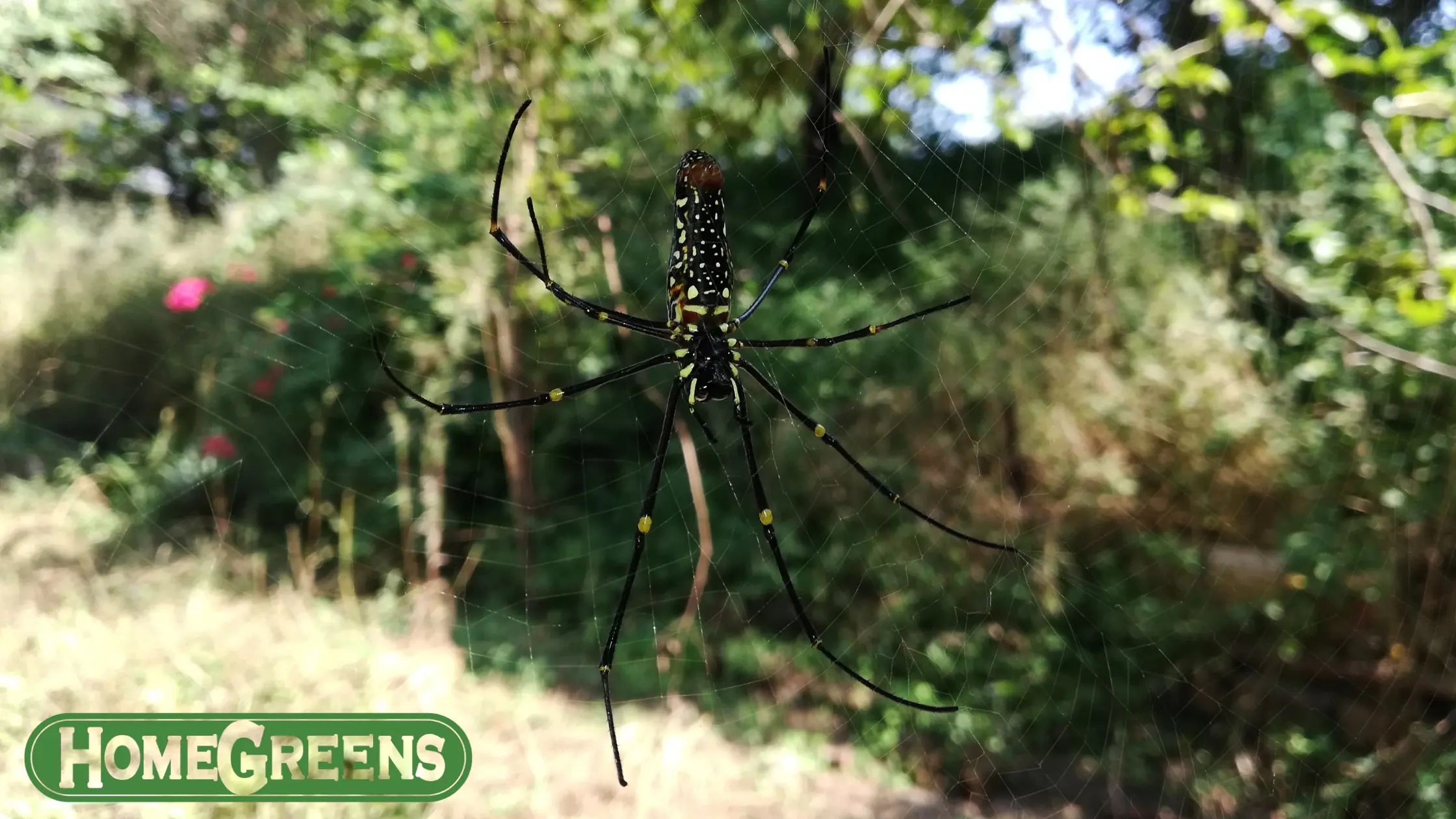
If your grass is brown but the soil is moist and soft, you might have uninvited guests.
Grubs and Chinch Bugs
Curl Grubs: These are the larvae of beetles. They live in the soil and eat the roots. If you can pull up a patch of brown grass like a piece of carpet, grubs have eaten the "anchor" roots.
Armyworms: These pests move in a line across your lawn, devouring blades overnight.
Sod Webworms: They hide in the thatch during the day and chew on the grass at night.
Managing these requires a combination of Integrated Pest Management (IPM) and consistent lawn mowing in the Northern Suburbs to keep the grass at a height where it can recover quickly from minor damage.
4. Nutrient Deficiencies: The Need for Feed
A lawn is a living organism. Just as you cannot survive on water alone, your grass needs a balanced diet of Nitrogen (N), Phosphorus (P), and Potassium (K).
Identifying the Hunger Pangs
Nitrogen Deficiency: The entire lawn looks pale green or yellowish. Growth is stunted.
Iron Deficiency: New growth is yellow, but the veins of the grass stay green (chlorosis).
Potassium Deficiency: The edges of the grass blades look "burnt" or brown, even when wet.
Without a regular lawn fertilising program in Perth, the soil becomes depleted. Daily watering can actually wash away what few nutrients are left, a process called "leaching."
5. Environmental Stress & Mowing Habits
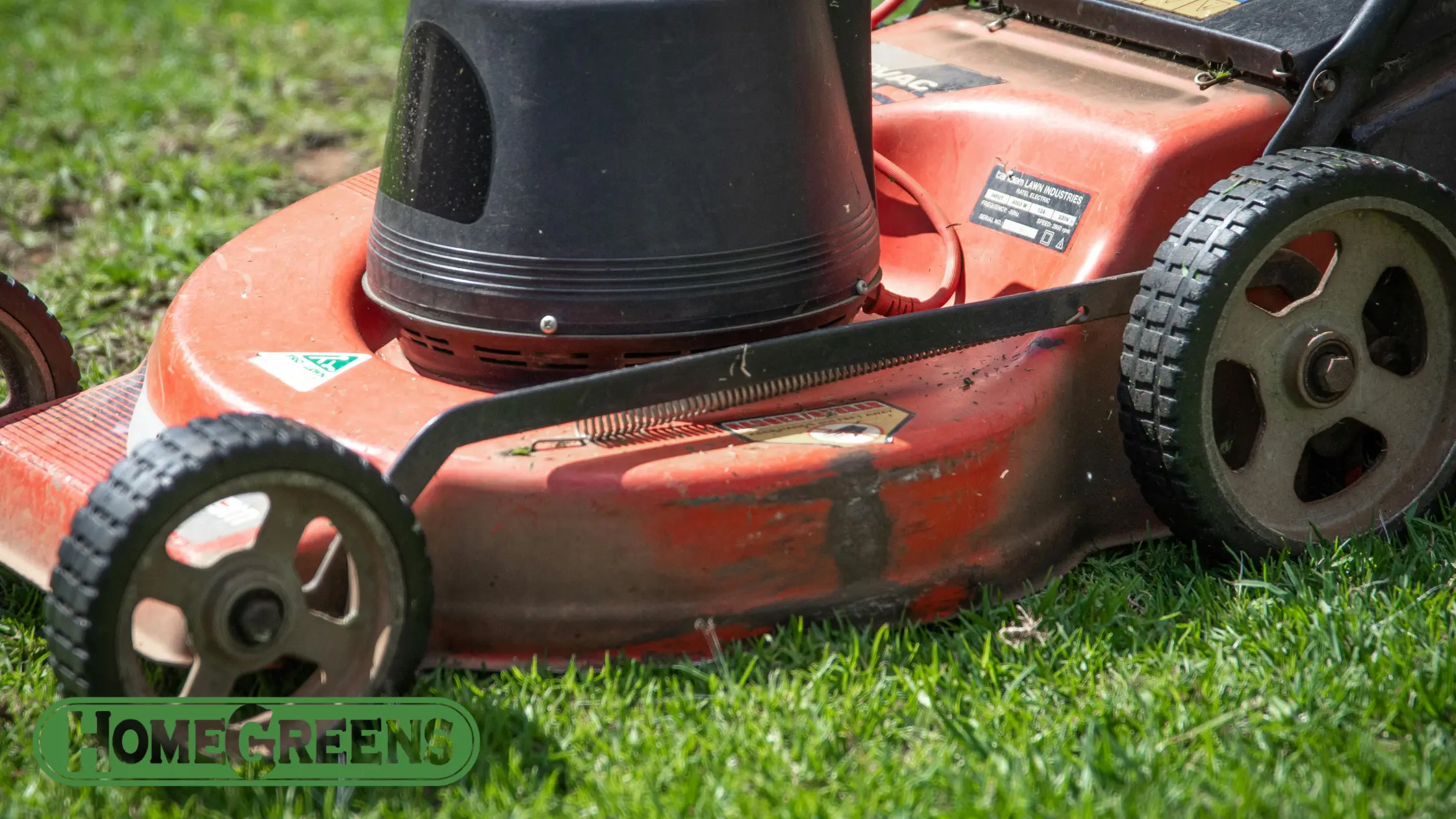
Sometimes the "brown" isn't a disease or a bug—it’s how the lawn is being handled.
Mower Blight
If you set your mower too low (scalping), you remove the "food factory" of the plant—the blade. This exposes the sensitive crown of the grass to the harsh Perth sun, causing it to burn brown instantly. For best results, never remove more than one-third of the grass blade in a single session.
Pet Damage
Dog urine is highly concentrated in nitrogen. While nitrogen is a fertilizer, too much in one spot "burns" the grass, leaving a brown center with a very dark green ring around the edge.
Comparison Table: Why is my Lawn Brown?
The HomeGreens Seasonal Care Guide
To prevent brown patches year-round, you need a strategy that changes with the Perth climate.
Spring: The Recovery Phase
This is the time for Core Aeration. As the grass wakes up, opening the soil allows oxygen to jumpstart growth. Apply a high-nitrogen fertilizer now to build strength before the heat hits.
Summer: The Survival Phase
Focus on deep watering. If you notice "hot spots" near driveways or walls, these areas may need extra attention due to reflected heat. Ensure your lawn mowing in the Northern Suburbs is done at a higher setting to shade the soil.
Autumn: The Preparation Phase
Apply a slow-release fertilizer and consider verti-mowing if your thatch layer has become thick and spongy over the summer. This ensures water can reach the soil during the coming winter rains.
Winter: The Dormancy Phase
Reduce watering significantly. Most lawns in Perth go dormant in winter. Focus on weed control and ensuring drainage is clear so the roots don't rot in waterlogged soil.
Why Professional Maintenance Matters
Maintaining a lawn in Western Australia’s unique climate is a science. Between the sandy soil of the coast and the heavy clays further inland, a "one size fits all" approach leads to brown patches and wasted money.
At HomeGreens, we don't just mow; we manage the health of your entire ecosystem. Our services include:
Precision Lawn Mowing in the Northern Suburbs to ensure the perfect cut height.
Specialized Verti-mowing in Perth to eliminate thatch.
Comprehensive Gardening in Perth for a holistic yard approach.
Conclusion: Get Your Green Back
Brown patches are a cry for help from your lawn. Whether it’s the "invisible wall" of compaction, a hidden grub infestation, or a simple case of "too much of a good thing" with your watering schedule, the solution is within reach.
Stop guessing and start growing. A healthy, vibrant lawn increases property value, provides a cool play area for kids and pets, and is the pride of the neighborhood.
Ready to transform your yard?
Visit HomeGreens today to explore our full range of services or to book a consultation. Let’s make those brown patches a thing of the past.
Frequently Asked Questions (FAQs)
1. Why does my lawn have brown patches even though I water it daily?
Daily watering often leads to shallow roots or fungal diseases. If the water cannot penetrate compacted soil, the grass remains thirsty at the root level despite the surface being wet.
2. Can overwatering cause brown spots?
Yes. Overwatering creates "waterlogged" soil, which lacks oxygen. This suffocates the roots and creates the perfect environment for fungi like Pythium and Rhizoctonia.
3. How do I know if I need aeration?
Try the "Screwdriver Test." If you cannot easily push a standard screwdriver 10-15cm into your lawn, your soil is compacted and needs professional aeration.
4. What is the best time of day to water?
Between 4:00 AM and 8:00 AM. This allows the water to soak in before the heat of the day, but ensures the grass blades dry out quickly, preventing fungal growth.
5. Is verti-mowing the same as regular mowing?
No. Regular mowing cuts the height of the grass blades. Verti-mowing uses vertical blades to reach deep into the lawn and pull out the "thatch"—the layer of dead organic matter that prevents water and air from reaching the soil.
